
The plain-English definition: AI optimisation is about making facts easy to retrieve, summarise, and cite
AI optimisation means structuring product, brand, and policy facts so machine systems can pull the right answer, summarise it cleanly, and point back to a source. If a system cannot find the fact, it cannot repeat it with confidence, and it will move on to a page that makes the work easier.
That matters because AI systems do not read a page the way a person does. They break content into chunks and compare signals across sources before deciding which parts look consistent enough to use. Clear facts win because machine systems are built to extract patterns rather than respond to brand voice.
For an ecommerce store, this is painfully practical. If the size chart is buried halfway down a long page, the material is described three different ways, or the return policy lives in a PDF that is hard to scan, a model may skip it. Then it fills the gap from weaker sources, or leaves the shopper with a vague answer that helps nobody.
Google Search Central’s guidance on AI Overviews and AI-generated answers says these systems surface information from web content and link back to sources, which makes source clarity and retrievability central to visibility. This is the part most people miss when they ask what AI optimisation is. They want a clear definition rather than another acronym to collect.
So the core argument is simple: AI optimisation is a content and information design job. It means making sure the facts a shopper needs, such as fit, delivery cut-offs, ingredients, warranty terms, and returns, are easy for a machine to find and trust.
That is why the long-tail search interest exists in the first place. People are not really asking for a new buzzword. They are asking how to make their store show up when an AI system is doing the answering.
Why the term is messy, and why the label matters less than the job

The naming around this topic is messy, and that is normal. People use AI optimisation, AI search optimisation, AI engine optimisation, AIO, and answer engine optimisation for overlapping work. The market is naming the behaviour before it has settled on one term.
That is easy to see in search behaviour. Google Trends and autocomplete surface several competing labels for the same general problem, which tells you the language is still in flux. When a field has five names and no settled favourite, the label is secondary.
The job is consistent: make facts easy for machines to extract and trust. If your size guide, shipping rules, and return terms are written so they can be pulled cleanly, the acronym matters less. The page either gives the system what it needs or it does not.
There are a few different meanings people attach to the term, and mixing them up causes confusion.
- Some people mean content built for AI search surfaces, where the goal is accurate summaries.
- Some mean internal AI workflows, such as automating support replies or product copy review.
- Some mean device settings or software features that happen to include the word AI.
- This article is about the first one: making ecommerce facts easy to retrieve and cite.
That distinction matters because a brand can waste weeks arguing over terminology while the actual page structure stays messy. If the content is built for retrieval, the acronym matters far less than the way the information is organised. A tidy page beats a fashionable label every time.
So if you came here wondering what AI optimisation is called, the honest answer is that the term is still settling. If you came here wondering what AI search optimisation is, the useful answer is simpler. It is the work of writing and structuring store information so machine systems can use it without guessing.
How humans, search engines, and AI answer systems read the same page differently

Humans, search engines, and AI answer systems all look at the same page, but they read it in different ways. Humans scan for relevance and reassurance. Traditional search engines index the page and rank it against others. AI answer systems extract facts and build a response from the parts that look dependable.
Each one rewards something different. Humans want clarity and confidence because they are deciding whether to buy. Search engines want crawlable relevance and authority because they are deciding what deserves to rank. AI systems want clean, consistent, sourceable facts because they are deciding what can be summarised accurately.
That difference shows up fast in ecommerce content. A category page should help a shopper compare options and understand the range. A product page should answer fit, materials, care, and variant questions. A policy page should state delivery, returns, and warranty terms in plain language so people do not have to hunt for them.
A page can rank well and still fail in AI answers. It may have the right terms, but bury the real answer inside brand copy, thin headings, or scattered paragraphs. Traditional SEO can reward that structure if the page has enough relevance signals, while an answer system still struggles to extract the actual fact.
Many stores miss this. A jacket page might talk about adventure, texture, and seasonal style, yet never say whether it runs small. When a shopper asks that question, the page should give a direct answer near the top, with sizing evidence close by.
The same page can serve people and machines well, but only if the information is arranged for both. Human-focused writing often leaves ambiguity. Traditional SEO can bury the answer. AI answer engines put the answer first and place the evidence right beside it.
When Google shows AI summaries, users are less likely to click through to websites, which raises the value of being cited or summarised accurately on the results page. That changes the stakes for ecommerce brands. If the summary answers the shopper before they reach your site, the page has to make the right fact easy to lift.
What actually gets cited, and why product pages usually lose to cleaner sources

AI systems cite pages that answer one question cleanly, support it with explicit facts, and leave little room for guesswork. This practical rule explains why some ecommerce pages get surfaced while others get ignored.
Product pages often struggle because they are doing multiple jobs at once. They sell, merchandise, and provide facts. Once banners, cross-sells, review prompts, and promotional copy start competing with the answer, the useful detail gets buried.
Pages that tend to win citations have a single clear purpose. Policy pages, size guides, ingredient pages, comparison pages, and tight FAQs give a model something it can extract without sorting through sales language. A shopper asking whether a jacket runs small needs a direct sizing statement rather than a lifestyle paragraph about alpine weekends.
Google Search Central’s guidance on helpful content and structured, accessible information points in the same direction. Clear page purpose and explicit facts help systems understand what a page is for and what it says. That matters more now that Google’s AI Overviews generate summaries directly on the results page, because the summary has to come from somewhere readable.
Can AI models cite product pages? Yes, but only when the facts are easy to extract and the page is not stuffed with sales copy. A clean product page with material, fit, dimensions, care, and exclusions near the top can be cited. Pages covered in banners and vague promises usually cannot.
Use a simple test. If a machine had ten seconds to answer a shopper’s question, would it find the answer on the page without guessing?
The page is too noisy to earn trust, so cleaner sources keep outperforming more polished ones.
The operational checklist: what to change on a site if you want AI systems to use it

The fix starts with information structure. Put the direct answer near the top, then support it with details, definitions, and any limits that change the meaning. If a shopper is checking whether a sofa fits through a narrow doorway, the dimensions need to be visible before the lifestyle copy starts.
Consistency matters because retrieval depends on matching terms. Use the same names for products, materials, sizes, shipping terms, and return rules across the site. If one page says cotton blend, another says cotton mix, and a third says soft-touch fabric, a machine has to work harder to decide whether those are the same thing.
Add explicit entities and attributes wherever they matter. Material, fit, care, origin, compatibility, dimensions, and exclusions are facts AI systems can reuse without interpretation. A product page for trainers should say whether the insole is removable, whether the fit runs narrow, and whether the upper is leather or synthetic.
Headings should say what the section contains. Shipping and returns is useful. Our promise, What to know, or a branded phrase with no topic signal does not help shoppers or machines.
Tables, bullets, and short paragraphs help when the page has structured information to present. Comparison pages, product specs, and policy content become easier to read when facts are separated instead of buried in prose. AI optimisation here becomes editorial work and information architecture, because the page has to read well and parse cleanly.
Schema.org remains a widely adopted vocabulary for giving machines explicit page meaning, and Google documents structured data as a way to help systems understand content. It does not fix weak copy, but it gives the page a clearer signal. The goal is straightforward: make the content easy to identify and easy to extract.
If your returns policy hides exceptions in a paragraph halfway down the page, move them into a plain list. If your size guide uses different labels from the product page, standardise them. If your ingredients page calls the same material by three names, pick one and stick to it.
The content mistakes that make AI answers wrong, vague, or impossible to trust

The worst failures are ordinary ones. Thin copy, contradictory claims, hidden details, and text written to sound helpful without saying anything useful all make AI answers worse. A model cannot cite what it cannot find, and it cannot trust text that keeps changing from one page to the next.
Hallucination shows up in marketing terms when a page is vague and the model fills the gap with its own wording, then presents that wording as if it were grounded in the source. If your product description says a coat is ideal for all seasons but never states weight, lining, or temperature range, the summary can drift into inaccurate details.
Over-optimised pages make the problem worse. Keyword stuffing, repetitive headings, and generic paragraphs do not help extraction. They bury useful facts under noise that search systems have been trained to ignore.
The fear around AI content is usually misplaced. Google has said that using AI to generate content is not against policy by itself, but scaled, low-value content can violate spam policies. The issue is quality and usefulness, not whether software helped draft it.
A careful, accurate page written with help is fine. A flood of bland pages that say nothing useful is the problem.
For ecommerce teams, the standard is plain. If the page answers the shopper’s question, includes the right facts, and stays consistent with the rest of the site, it can work. If it reads like filler, AI answers will drift, and trust will follow.
That is the real test of AI optimisation in practice. It means making pages useful enough that a machine can trust them without filling in missing parts.
A practical way to write for AI answer engines without making the page sound robotic

The cleanest way to write for answer engines is to write for people first, then tighten the structure so machines can extract the facts. Nielsen Norman Group has long shown that users scan web pages rather than read every word, so the answer should appear early and the supporting details should be easy to parse.
That holds for a FAQ, a buying guide, or a detailed product page. Clear writing helps shoppers, and it gives systems less room to guess.
A simple pattern works well: question, direct answer, evidence, constraints, related questions. Start with the shopper’s actual concern, answer it in one or two plain sentences, then add the facts that make the answer trustworthy. A jacket page, for example, can say whether it runs small, then note chest measurement ranges, fabric weight, and whether it works over a jumper. This structure keeps the page practical.
Use examples, but keep them single and specific. One clear example beats a paragraph that tries to cover every possible use case and ends up saying very little. If a boot is suitable for wet pavements, show the sole type and the water resistance rating. If a blender jar fits a family portion, say the capacity in millilitres and give one concrete serving example.
Specifics matter more than flourish. Prices are optional here, but measurements, materials, compatibility, and policy rules are the details answer systems can quote accurately. A skincare page should state ingredient percentages where relevant, a case page should name which phone models fit, and a returns page should spell out the time limit and condition requirements. This is the copy that survives summarisation.
A page can be short and still do the job. In fact, concision often improves persuasion because the reader finds the answer without wading through filler. The trick is to remove weak copy, keep the useful facts, and arrange them in a way that reads naturally aloud.
Machines and shoppers both respond to that.
What this means for ecommerce teams with no spare time

For lean teams, the priority is simple, start with pages that answer high-intent questions and contain facts you can reuse elsewhere. Ahrefs and similar industry analyses have repeatedly shown that long-tail, question-led searches often carry strong purchase intent, which makes them the right place to start. A shopper asking whether a coat runs small or whether a supplement contains dairy is closer to buying than someone browsing a broad category. Those pages deserve attention first.
Use a practical audit order. Begin with product detail pages, then category pages, shipping and returns, size and fit, ingredients or materials, and comparison content. That sequence catches the pages shoppers and answer engines rely on when they need a fast, reliable summary. It also keeps teams from wasting time polishing low-value content while important facts remain buried.
Decide what to fix first by looking at three things, existing traffic, common pre-purchase questions, and the chance that the page will be summarised in an AI answer. If a page already attracts visitors, a clearer answer can improve the odds of keeping them. If it handles the questions people ask before buying, it needs front-loaded facts. If it is likely to be quoted elsewhere, the wording has to be exact.
This is where many agencies go wrong. They talk about visibility and traffic while leaving the underlying facts messy, inconsistent, or missing. A model cannot quote what the site does not say clearly. Fix the facts first, then worry about polish.
That is the real definition of AI optimisation for ecommerce. It means making the site easier to quote accurately wherever answers are generated, whether that is a search results summary, a shopping assistant, or a product comparison surface. The channel changes, but the task stays the same. Give the system clean facts, and it has less room to invent its own version.
How Sprite approaches AI optimisation for ecommerce brands

Sprite is built for the part of this work most teams never have time to do properly: keeping content accurate and consistent and tied to the actual shape of the store. It analyses your published corpus before generating anything, so the system learns your vocabulary, sentence patterns, and brand register from real content rather than from a style prompt that says “make it sound premium” and hopes for the best.
That matters because voice is a pattern, not a mood board. Voice Modelling constrains each piece to the register your brand already uses, and Brand Reflection checks the draft against those patterns before anything goes live. The result is content that stays recognisably yours even when it is produced at scale.
Sprite also treats content planning as a sequence rather than a pile of disconnected briefs. It maps category demand and authority gaps, then orders the roadmap so each piece supports the next. This approach builds authority instead of spreading effort across pages that do not support each other.
The system fact-checks after every section during generation, which is a better place to catch errors than at the end, when they have already spread into the rest of the draft. It also builds internal links automatically, sending new content toward relevant commercial pages and updating older posts so the archive points back in both directions. This kind of housekeeping usually gets postponed until someone notices the site is full of orphaned pages and regrets.
Sprite publishes directly to Shopify or WordPress in either autopilot or co-pilot mode. In autopilot, it pushes live; in co-pilot, it creates drafts for review. On Shopify, it can inject Liquid templates and create new blog handles, and every post ships with full JSON-LD schema, including Article, BreadcrumbList, and Organisation, so the page is machine-readable from day one.
It runs continuously in the background, whether anyone is actively managing it or not, and it tracks everything it publishes. That gives the system a live view of what exists, what is working, and where the gaps remain. For ecommerce teams, this means the content engine keeps moving even when the calendar gets messy.
The goal is to create content with a clear purpose. It keeps the site organised enough for answer systems to trust it, shoppers to use it, and the brand voice to stay specific. That combination is rare, which is why it matters.
What good results look like when the content system is doing its job
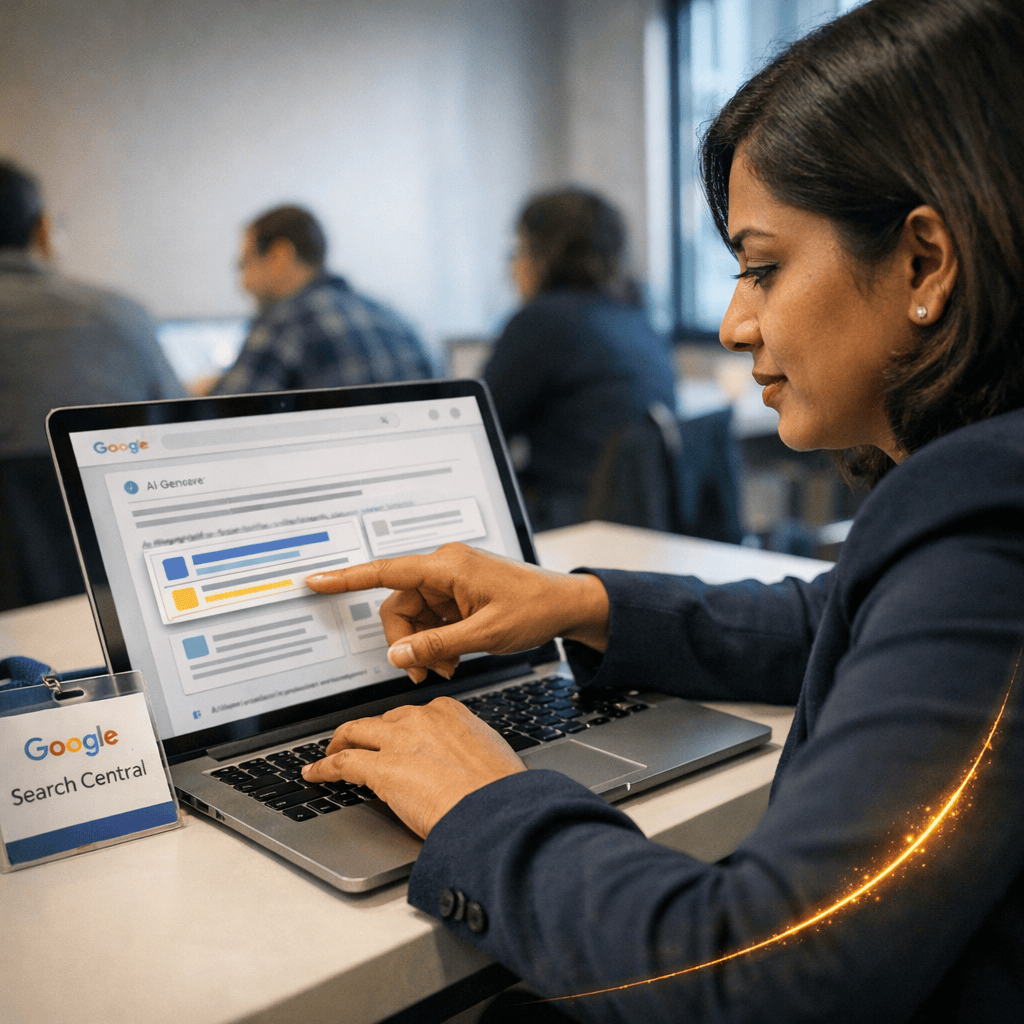
The strongest results show up when content stops behaving like a series of isolated posts and starts acting like a system. Giesswein saw €2M in incremental top-line revenue from automated agentic content, which shows the work is driving more than blog output.
Nanga recorded 250% non-brand organic traffic growth in under 12 weeks without adding internal strain, which is the other half of the story. Growth matters, but the team did not have to burn itself out to get there. Content should create capacity and not consume it.
Whitestep, working across Citron, Morphee, and Smartrike, added 142 new pages, increased new content by 62%, generated 90k more impressions, and lifted organic clicks by 13% while saving 8 hours a week with one person across three brands in three months. Structured output works when it is tied to actual demand rather than a vague editorial instinct.
Kyoto Pearl recovered 100% of traffic and non-brand visibility after a Shopify migration in 90 days, and impressions moved above pre-migration levels. That matters because migrations usually expose the hidden fragility in a site’s content structure. When the facts are organised well, the move becomes a reset. When they are not, it becomes a fire drill with a CMS login.
Asceno saw 82% of non-brand impressions come from Sprite content, 58% of organic clicks come from new content, and average search position improve from 14.1 to 6.5. Those numbers show the content is doing real work across discovery and demand capture.
The pattern across those results is consistent. When content is planned, fact-checked, linked, and published against the site’s actual structure, it starts compounding. People miss this when they treat AI optimisation as a one-off page fix. A better model is a living system that keeps learning what the store needs next.
Frequently asked questions
What is AI optimisation in simple terms?
AI optimisation is the work of making your site easy for AI systems to understand, trust, and quote. If you are asking what is AI optimisation called, you will also see terms like AI search optimisation, AI engine optimisation, and AI optimisation SEO, but the idea is the same: make your content usable for answer systems. In practice, that means clear answers, strong product information, and pages that show who you are and what you sell.
Is AI optimisation the same as SEO?
No, AI optimisation is not the same as SEO, although they overlap a lot. SEO is built to help pages rank in search results, while AI search optimisation is about getting cited or used in AI answers. If you are asking what is AI optimisation SEO, the short answer is that SEO gives you the foundation, and AI optimisation adds structure, clarity, and proof that answer systems can use.
Can product pages be cited in AI answers?
Yes, product pages can be cited in AI answers when they give a clear, factual answer that an AI system can trust. Pages with plain product names, specifications, materials, compatibility details, shipping information, and clear category context are easier to quote than thin sales pages. If a shopper searches for the best waterproof walking boots for wide feet, a strong product page can be pulled into the answer if it directly addresses those details.
Does Google penalise AI-generated content?
Google does not penalise content just because AI helped create it. It does penalise spam, thin pages, and content made to manipulate rankings, whether a human wrote it or a machine did. To optimise content safely with AI, publish pages that are accurate, useful, and clearly written for shoppers rather than search engines.
What kind of pages matter most for AI search visibility?
The pages that matter most answer buying questions quickly and prove your store is real. Category pages, product pages, FAQs, shipping and returns pages, and brand or about pages usually carry the most weight. If someone searches for an organic cotton baby sleepsuit size guide or the best insulated lunch bag for school, AI systems need pages that state the answer plainly and support it with specifics.
How do I know if my site is ready for AI answer systems?
Your site is ready if a stranger can land on a page and understand the offer in seconds. Check that your key pages have clear headings, specific product details, visible policies, consistent brand information, and answers to the questions shoppers actually ask. If you are wondering how to turn off AI optimisation samsung, that is a different kind of search, but for ecommerce the real test is whether your pages can be read, trusted, and quoted without extra guesswork.
Written by Richard Newton, Co-founder & CMO, Sprite AI.
Sprite builds brand authority through continuous, automated improvement. Quietly. Consistently. And at Scale.

See What You Could Save
Discover your potential savings in time, cost, and effort with Sprite's automated SEO content platform.